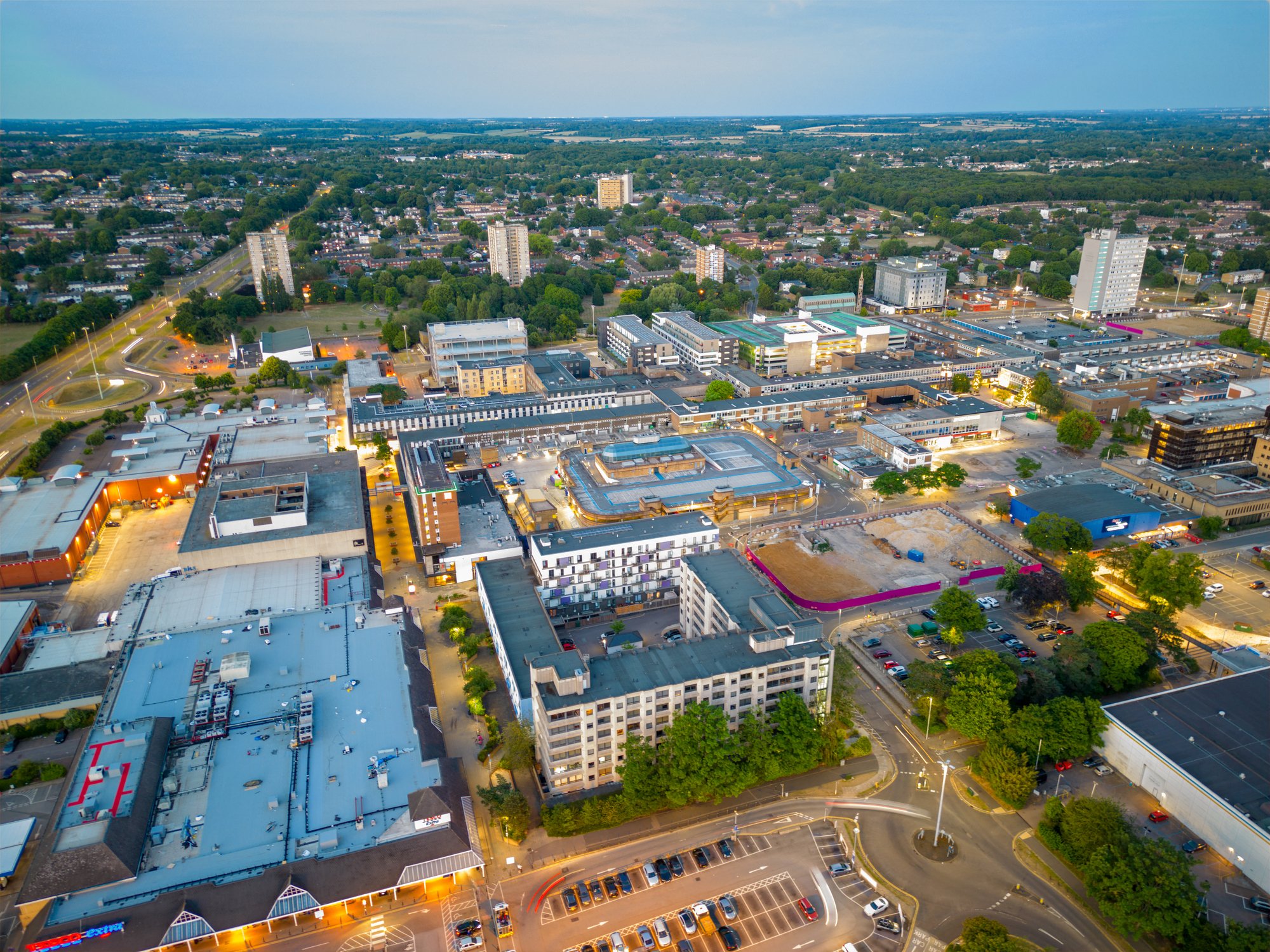
The Future Highways Summit 2026 brought together senior leaders from across local authorities and the wider highways community at a time of real pressure on the sector. The day was designed to do something practical in response: set a clear direction.
That direction has a name. CausewayOne.
Setting the scene: pressures that aren't going away
Nick Smee, SVP for Highways at Causeway, opened by naming what everyone in the room already knows. Financial pressure is constant. Regulatory demands — Street Manager, DTRO and whatever comes next — keep arriving without additional resource. Capacity is stretched. And public expectations have never been higher.
What compounded all of that, Nick argued, was how most authorities currently operate: on fragmented, disconnected systems. Asset management in one place. Street works in another. Traffic orders somewhere else. Each does its job well individually — but the gaps between them create duplication, manual workarounds and risk that only becomes visible when something goes wrong.
The question he put to the room was simple: Can you see your whole network, in one system, right now? For most authorities, the honest answer is no. That's what CausewayOne is built to change.
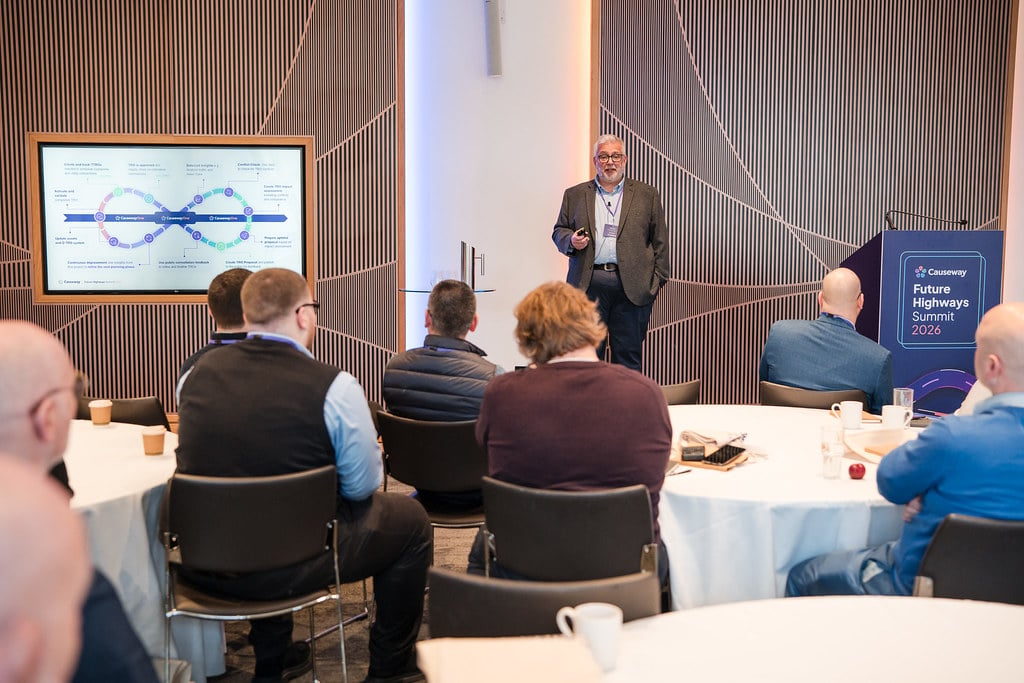
Watch Nick Smee's full 'Our vision for Highways through CausewayOne' talk here.
The vision: one platform, connected data, better decisions
CausewayOne isn't a new system to replace what authorities already have. The investment made in products like CausewayOne Asset Management (formerly Alloy), Horizons, One Network, Mayrise and Buchanan doesn't get written off. The goal is to make those products work together properly — with data flowing between them automatically and a shared operational view sitting across all of them.
The platform is built around three ideas: clarity, control and confidence. Real-time awareness of the network. Connected workflows that remove manual handovers. And decisions made with genuine confidence because the underlying information is trustworthy and complete.
Workspaces: the right data, for the right person
One of the most tangible features Nick demonstrated was workspaces — role-based views that draw data from across multiple Causeway products into a single, tailored picture. Rather than pulling reports from different systems and reconciling them manually, a workspace surfaces what matters to a specific audience: elected members wanting to know what's happening in their ward; network coordinators tracking planned works; service leads monitoring SLA performance. The underlying data is the same — what changes is how it's presented.
Workspaces can be configured out of the box or built by teams themselves, following the model Northumberland have already established with their own dashboards in Alloy.
Asset management and Horizons: closing the loop
A recurring theme was the relationship between operational asset management and longer-term investment planning — and how that loop is currently broken for most authorities. Day-to-day inspection data sits in one system. Strategic pavement modelling sits in another. Getting the two to genuinely inform each other requires manual effort that often doesn't happen as frequently or accurately as it should.
CausewayOne is designed to close that loop. As works are completed, asset records are automatically updated — treatment type, length, cost, photos — and that condition data flows directly back into Horizons' lifecycle modelling. The result is a continuously improving picture of network condition that reflects what's actually been done, rather than a snapshot that goes stale between survey cycles. Nick also noted that this kind of integrated evidence trail supports authorities in demonstrating best practice to the DfT — showing how investment decisions are made, not just reported.
The announcement: Streetworks and TROs coming into CausewayOne by end of 2025
The clearest signal of Causeway's direction was a specific commitment: by the end of 2025, Streetworks coordination and permanent traffic order management will be available within CausewayOne as a platform.
Mayrise and Buchanan (PartMap) are widely used and well understood, but they are older technologies and their data has remained largely separate from asset management and network coordination systems. Bringing that functionality into CausewayOne isn't about replicating what those products do today — the goal is to do better, using two decades of technological advancement while keeping the operational logic authorities have built their services around.
The practical implication is significant. For the first time, Streetworks, TROs, asset condition, planned maintenance and network activity will be visible in a single connected view. Nick illustrated this with the example of installing EV charging points — a task that currently involves moving through multiple systems: checking asset locations, identifying TRO conflicts, creating consultation documents, coordinating works, updating DTRO and managing inspections. Each step requires a manual handoff. With CausewayOne, those data flows happen automatically, with professionals making the decisions rather than chasing the information.
In practice: what Northumberland have already built
Kris Westerby, Head of Highways at Northumberland County Council, showed what's already achievable when connected systems are built around clear operational goals. Northumberland have brought together FixMyStreet, CausewayOne Asset Management, Horizons, Power BI, GovNotify and Road AI into an integrated ecosystem — and the results are concrete: report volumes quadrupled from 25,000 to over 100,000 a year with no extra staff; a 92% response rate maintained through winter peaks; insurance claims down 76%; and £3.5 million in new funding secured through strategic use of data.
What stood out most wasn't the numbers but the shift in how the team operates. Inspectors check instantly whether a defect is covered by a planned scheme. Claims reports that once took days are now built in under five minutes. Operational staff build and manage their own dashboards and workflows — without IT involvement.
Nick was candid about what this illustrates: Alloy's workflow engine and data integration capability have stood the test of time. But not all Causeway products have those same capabilities. CausewayOne is how that changes — not product by product, but at platform level, so every application benefits at once.
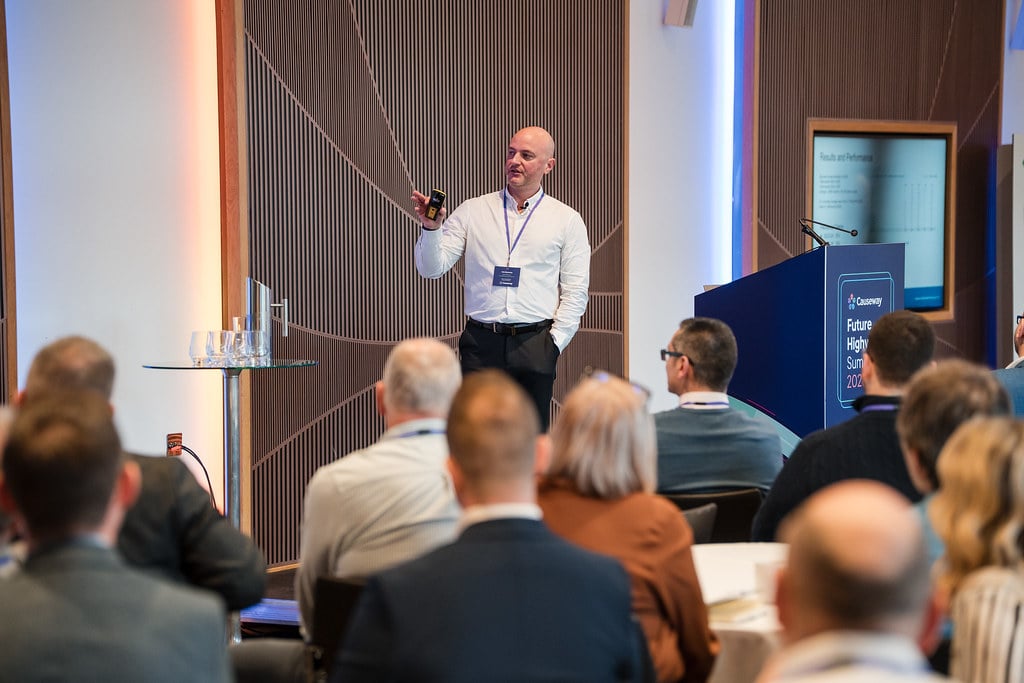
Watch Kris Westerby's full talk here.
What this means for your authority
For those already using Alloy, Mayrise or Buchanan, there is no cliff edge. The investment made in those products, in your data and in your operational processes is the foundation CausewayOne builds on. The goal is to make what you already have work harder — with less manual effort, greater visibility and the confidence to make decisions that really hold up.
CausewayOne Asset Management, One Network and Horizons are available now, with Horizons joining the CausewayOne platform imminently. Streetworks and TRO management follow by year end, and Causeway is actively seeking input from authorities on how those workspaces and workflows should be shaped.
If the question is whether you can see your whole network, right now — that answer is getting a lot closer.
To find out more about CausewayOne, get in touch.
You can also read the full event write-up here: Future Highways Summit 2026: Setting a clear direction for the sector.


.png?width=2666&height=1665&name=PRECON%20AI%20webinar%20-%20OnDemand%20Feature%20Image%20(15).png)