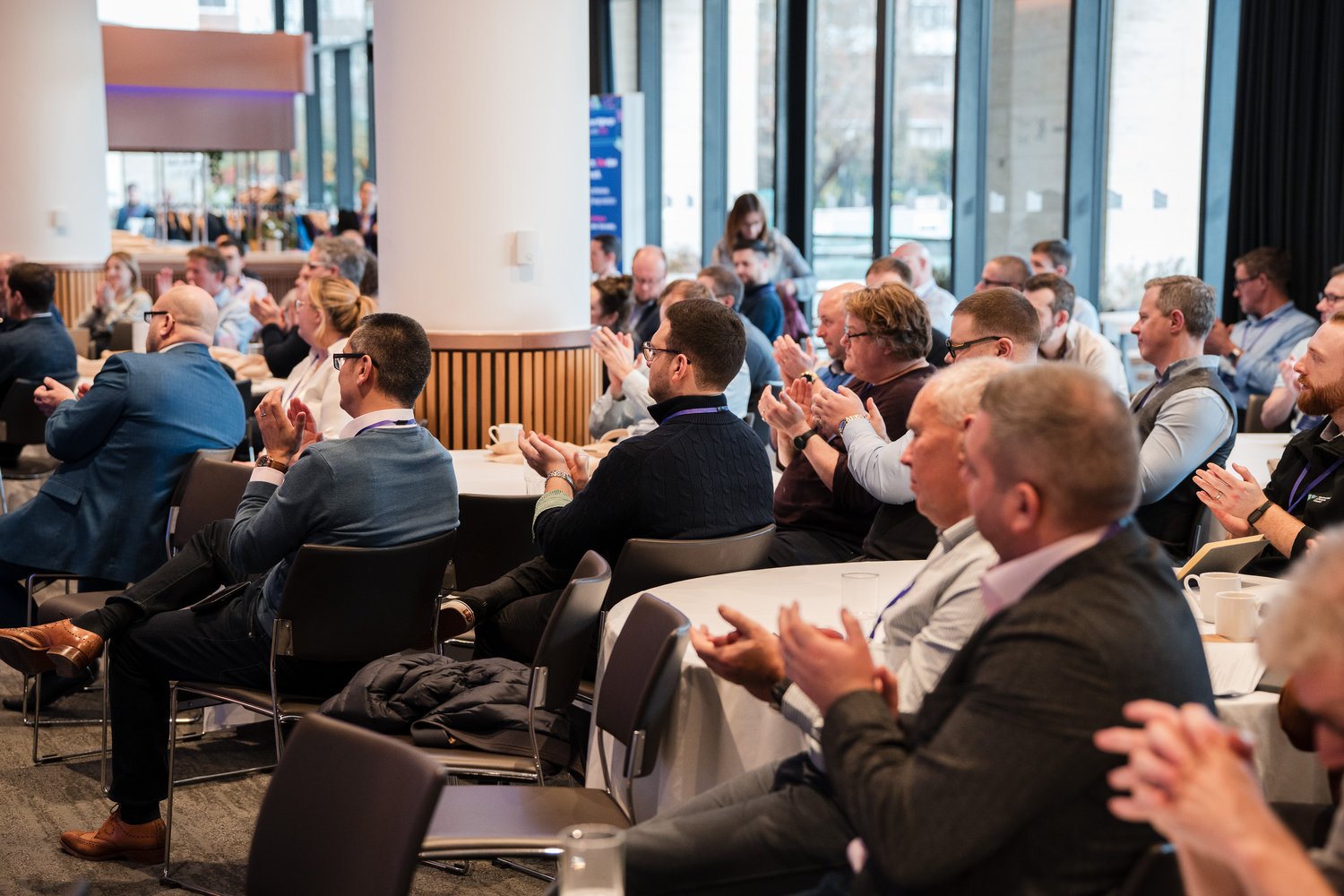
The Future Highways Summit 2026 brought together senior leaders from across local authorities and the wider highways community at a time of unprecedented pressure on the sector. With financial constraint, rising regulatory demands, skills shortages and public scrutiny all intensifying at once, the day was designed to explore how highways teams can respond with greater confidence, clarity and control.
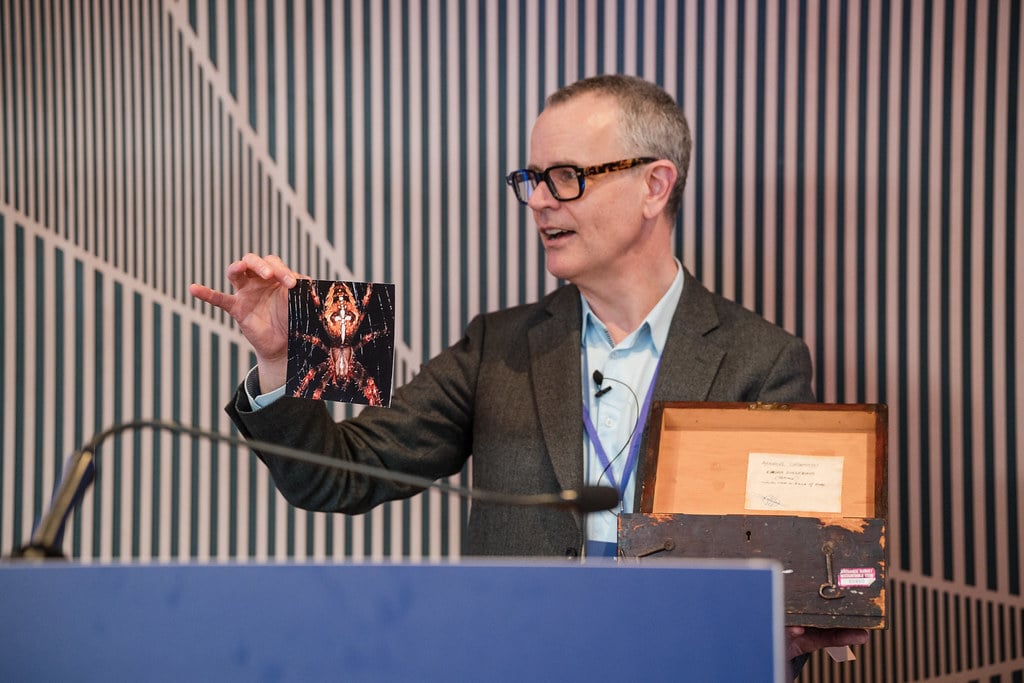
The agenda reflected that ambition. Attendees heard from leaders shaping the future of digital infrastructure, alongside peers already delivering change on the ground. The morning included a keynote from Nick Bolton, CEO of Ordnance Survey, who traced OS’s journey from its historic roots in data creation through to its modern role as a national data steward. He highlighted a clear evolution: from creating and collating authoritative data, to enabling discovery, interoperability and collaboration across industries. For highways leaders, the message was clear - data only delivers value when it can move easily between systems, organisations and decision-makers.
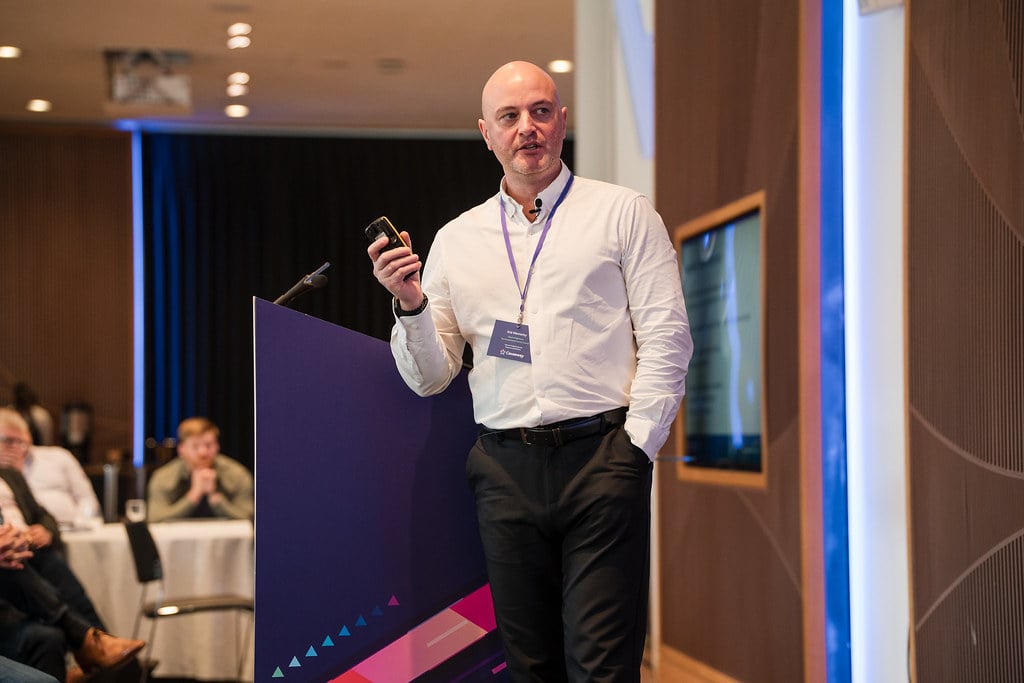
A practical, delivery-led perspective came from Kris Westerby, Head of Highways at Northumberland County Council. Kris spoke openly about the drivers behind their operational transformation, including ease of use, consistency across teams, integration and the need for a genuine single source of truth. His session grounded the discussion in day-to-day delivery, showing what can be achieved when technology supports operational goals rather than adding complexity.
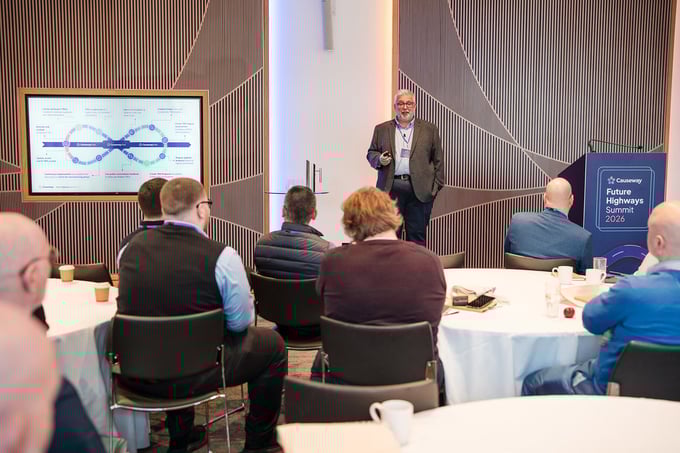
Building on this context, Causeway’s SVP for Highways, Nick Smee, set out the wider challenges many authorities recognise all too well. Budgets are tighter. Expectations are higher. Compliance is more complex. Yet many networks are still managed through fragmented systems that were never designed to work together. While individual tools may perform well in isolation, the gaps between them create duplication, manual workarounds and risk - often only becoming visible when something goes wrong.
The Summit was not a collection of distant aspirations. It was a clear statement of direction grounded in the realities authorities face today, showing how Causeway is working alongside the sector to support more joined-up and resilient highways services.
Nick spoke about the need to move away from disconnected tools and towards better connection. He introduced CausewayOne for Highways as a single, connected platform designed to bring together asset management, network management, traffic regulation and public engagement on a shared foundation. The focus is on creating a common operational view of the network, where information flows more naturally and decisions are made with greater assurance.
The CausewayOne Platform
One of the clearest messages from the Summit was that highways can no longer be managed in silos. Asset condition, network coordination, regulation, delivery and public communication are now tightly connected, and decisions in one area are felt almost immediately in another.
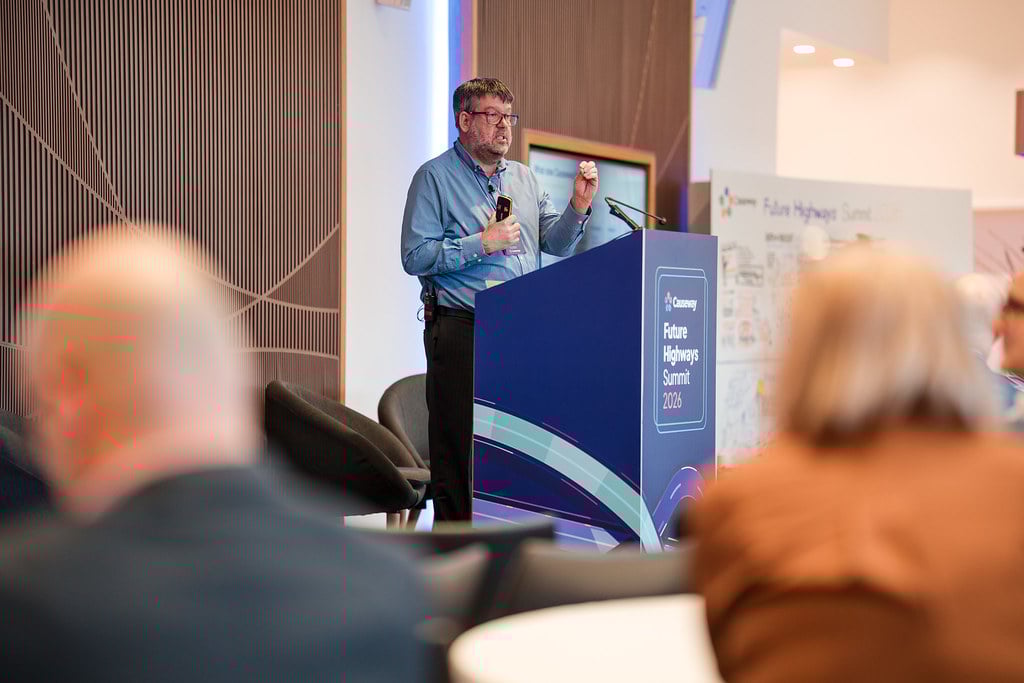
Causeway’s Nick Nieder – Vice President of Product, used the event to illustrate how CausewayOne is a practical way of responding to that reality. Rather than adding another system into the mix, CausewayOne was showcased as the shared operational foundation that connects the tools authorities already use, allowing information to move more freely and decisions to be made with confidence.
Throughout the afternoon, attendees saw how this joined-up approach supports a single, live view of the network. Asset data, planned works, network change and delivery activity can be seen together, reducing the need for manual workarounds and late-stage coordination. The emphasis was firmly on helping teams plan earlier, manage disruption more effectively and embed compliance into everyday workflows.
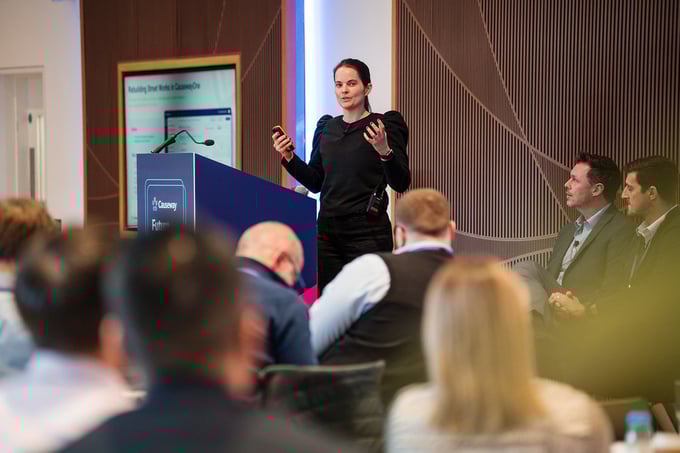
A lot of interest centred on the idea of workspaces. Rather than relying on static reports or multiple dashboards, CausewayOne brings information from different systems together into tailored, role-based views. Asset managers, network teams, service leads and elected members all see the same underlying data, but in a way that makes sense for their role and decisions, made possible by CausewayOne’s shared data foundations.
The sessions also highlighted how these shared data foundations open the door to automation and insight. Repetitive tasks that currently rely on people moving information between systems can be handled automatically, improving consistency and freeing up capacity. Over time, this creates the conditions for AI to be used sensibly, helping teams spot risk earlier and make sense of complex situations more quickly.
Importantly, Causeway was clear that the intention of their innovation is to strengthen what authorities already have, not replace it. CausewayOne was showcased as the way to bring existing services together, improving visibility and governance, and making it easier to run highways services under increasing pressure.
For many in the room, the final takeaway was simple: managing the whole network rather than individual systems is becoming essential and CausewayOne is designed to facilitate and support that transformation regardless of your starting point.
In Practice: Northumberland County Council
Northumberland County Council offers a clear example of what’s possible when teams take a joined-up, operationally-led approach to transformation.
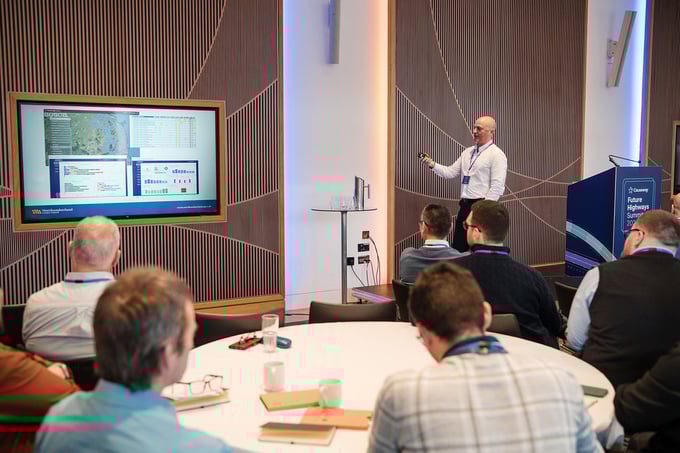
In his session, Kris Westerby, Head of Highways, shared how his team has moved from siloed legacy systems to a fully connected model - aligning frontline delivery with long-term planning through a suite of integrated Causeway tools.
Kris’s team has brought together FixMyStreet, CausewayOne Asset Management (formerly Alloy), Causeway Horizons, Power BI, GovNotify, and Road AI, creating a shared ecosystem that underpins everything from inspections and maintenance to public communication, claims management, and investment planning. Manual handoffs have been replaced with automated workflows, and every team now operates from the same real-time data.
The impact is clear:
-
Report volumes more than doubled - from 24,000 to 52,000 a year, with no extra staff
-
A 92% response rate is maintained across all reports, even during winter peaks
-
Insurance claims down 76%, supported by transparent workflows and automated audit trails
-
Claims and inspection reports that once took days to compile are now built in under five minutes
-
Power BI dashboards are now automatically emailed to managers each day, showing SLA performance, open cases and inspection trends
-
GIS layers allow inspectors to check instantly whether a defect is already part of a planned scheme - helping reduce duplication and improve prioritisation
-
Strategic use of data has helped secure £3.5 million in new funding
What stood out most is how every part of the service, from inspectors to planners, now works from a single, shared version of the truth. Ownership of innovation has also shifted, with operational staff now building and managing their own boards, dashboards and workflows. That visibility and autonomy mean faster decisions, consistent public messaging, and better use of every resource.
Kris’s presentation was grounded in delivery - showing how connected systems, designed around real operational needs, can drive lasting change. For many in the room, it was a powerful reminder that the foundations for transformation are already in place, and that outcomes like these are achievable now.
As pressures continue to grow, the conversations at the Summit made one thing clear: progress comes not from adding more tools, but from connecting what’s already there – and giving teams the confidence to manage their networks as a whole.
To find out more about CausewayOne, get in touch.